The Story
Among the vintage workwear brands, I love the animal-motif ones.
The bulldog from Boss of the Road, the rooster from Can't Bust'em, the bear from Black Bear, the pig from Finks, etc. are all fascinating.
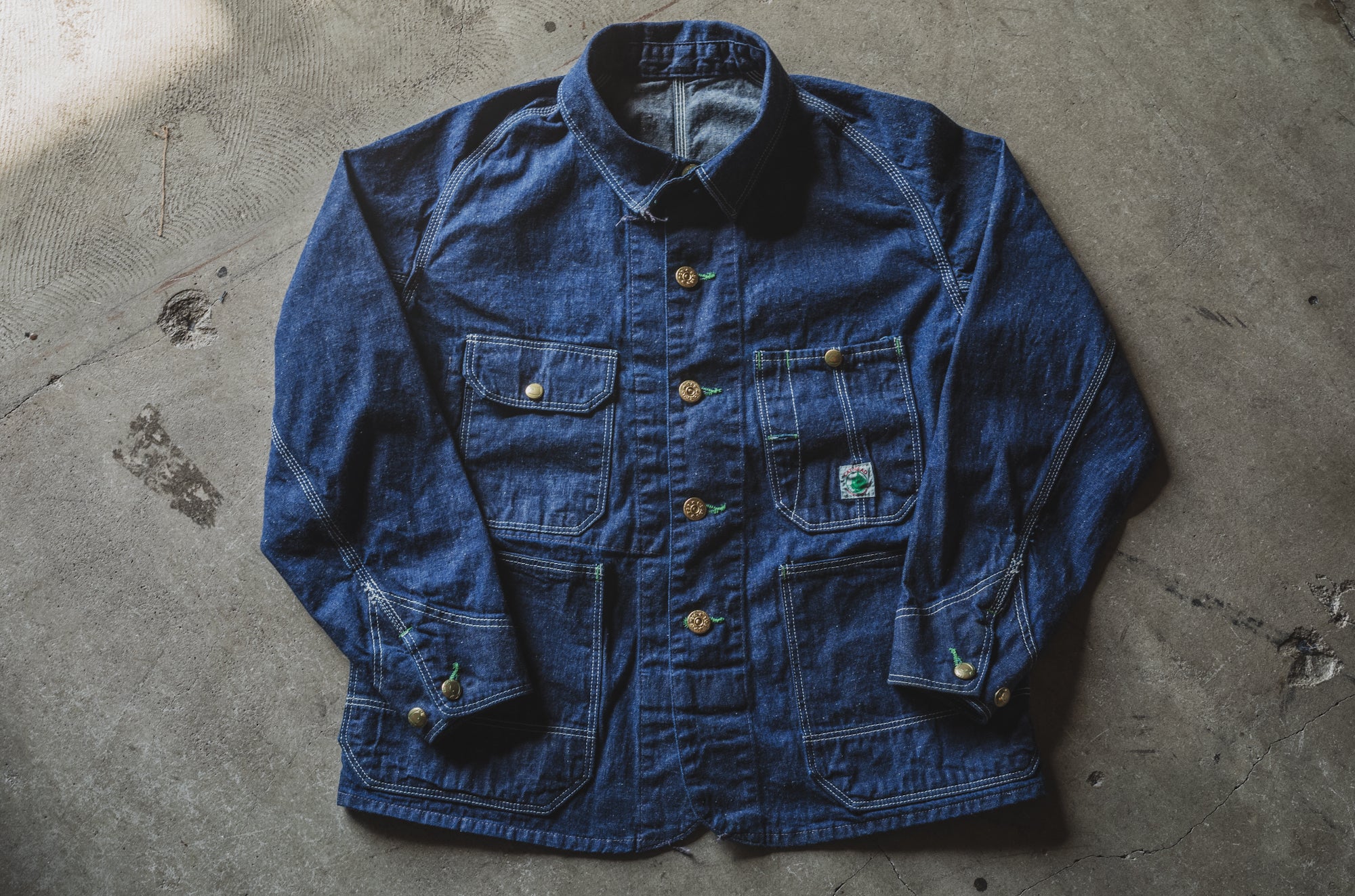
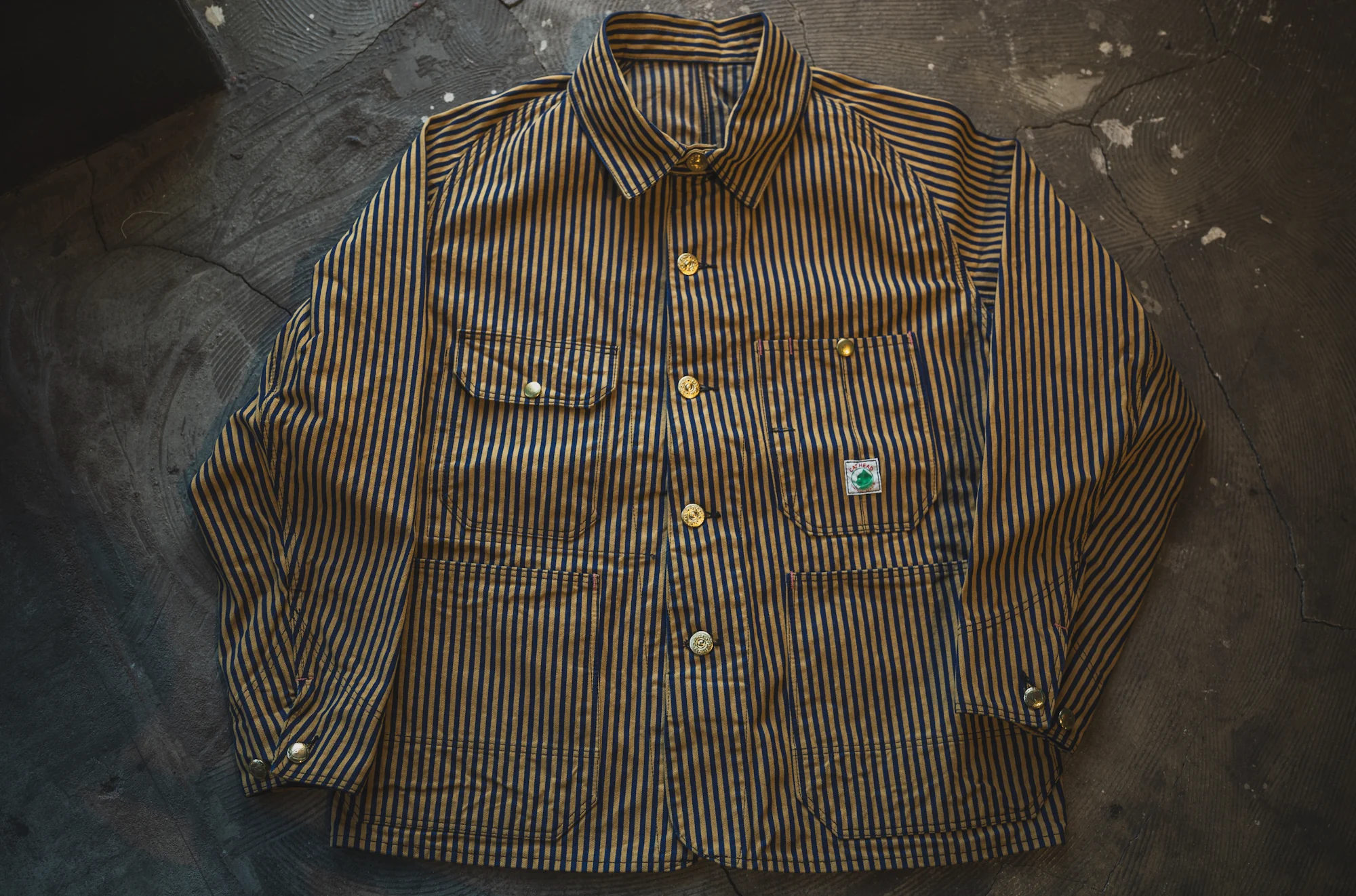
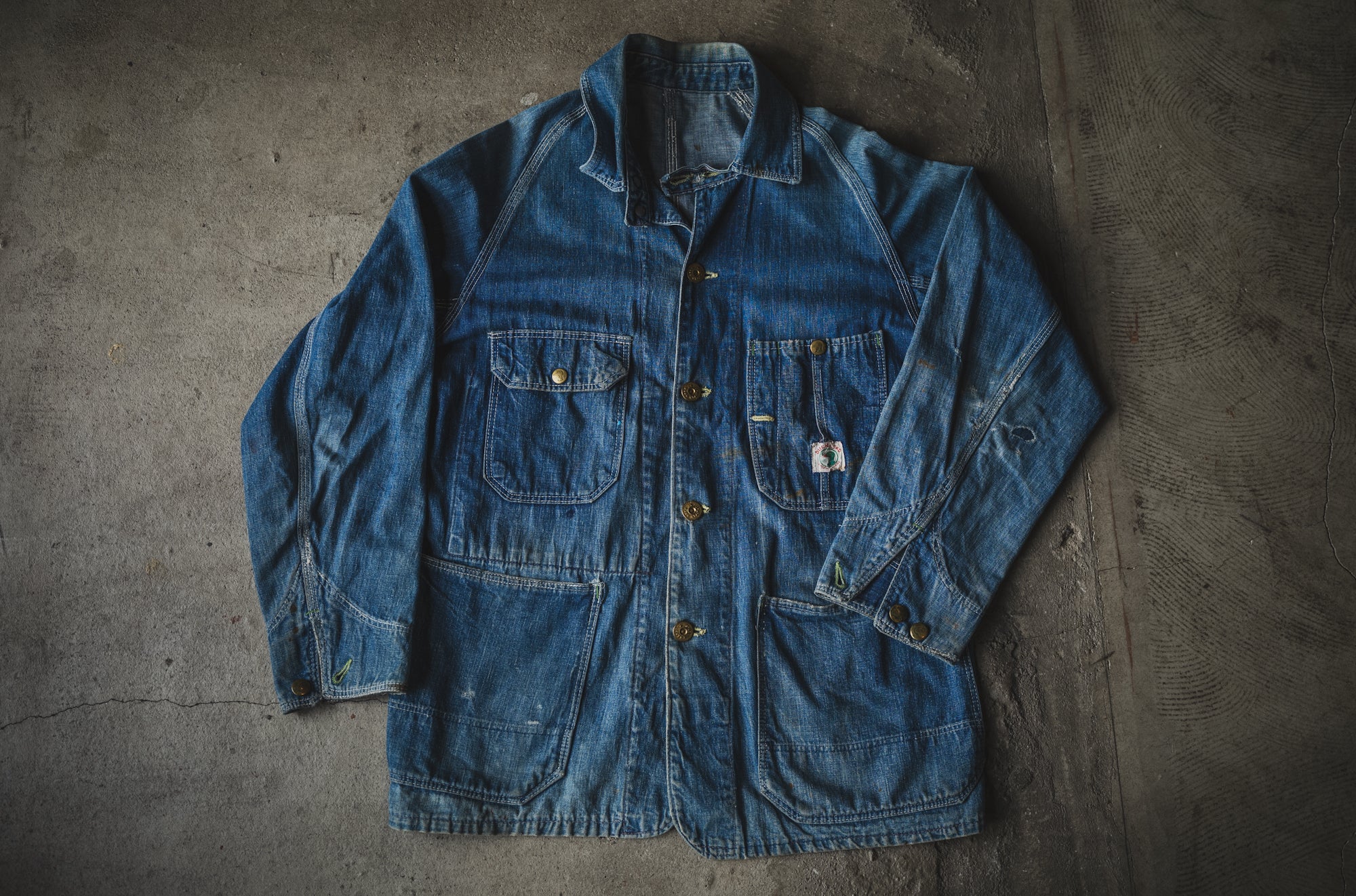
Among them, the one TCB chose to reproduce was the 1930's Duck Head.
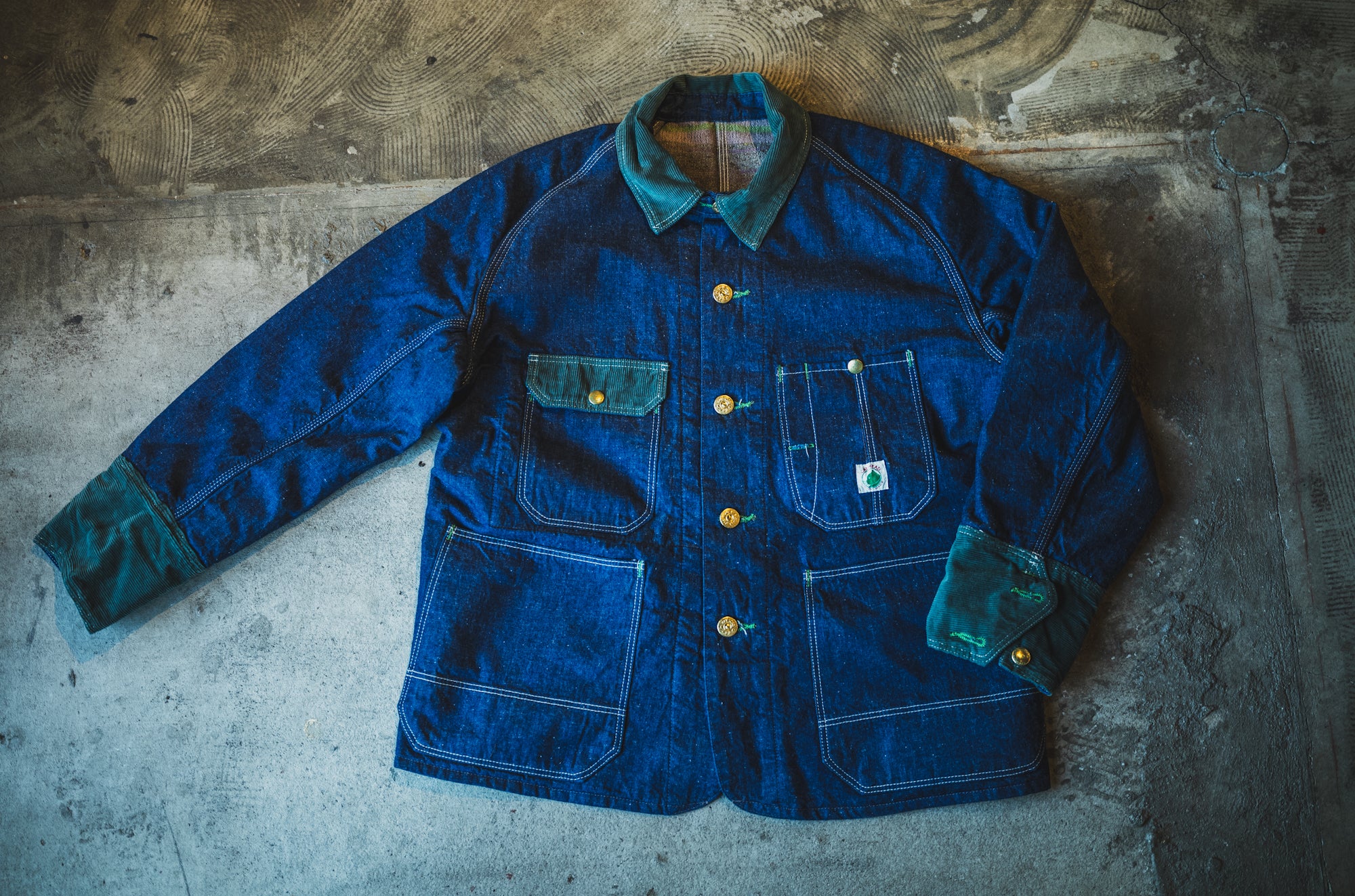
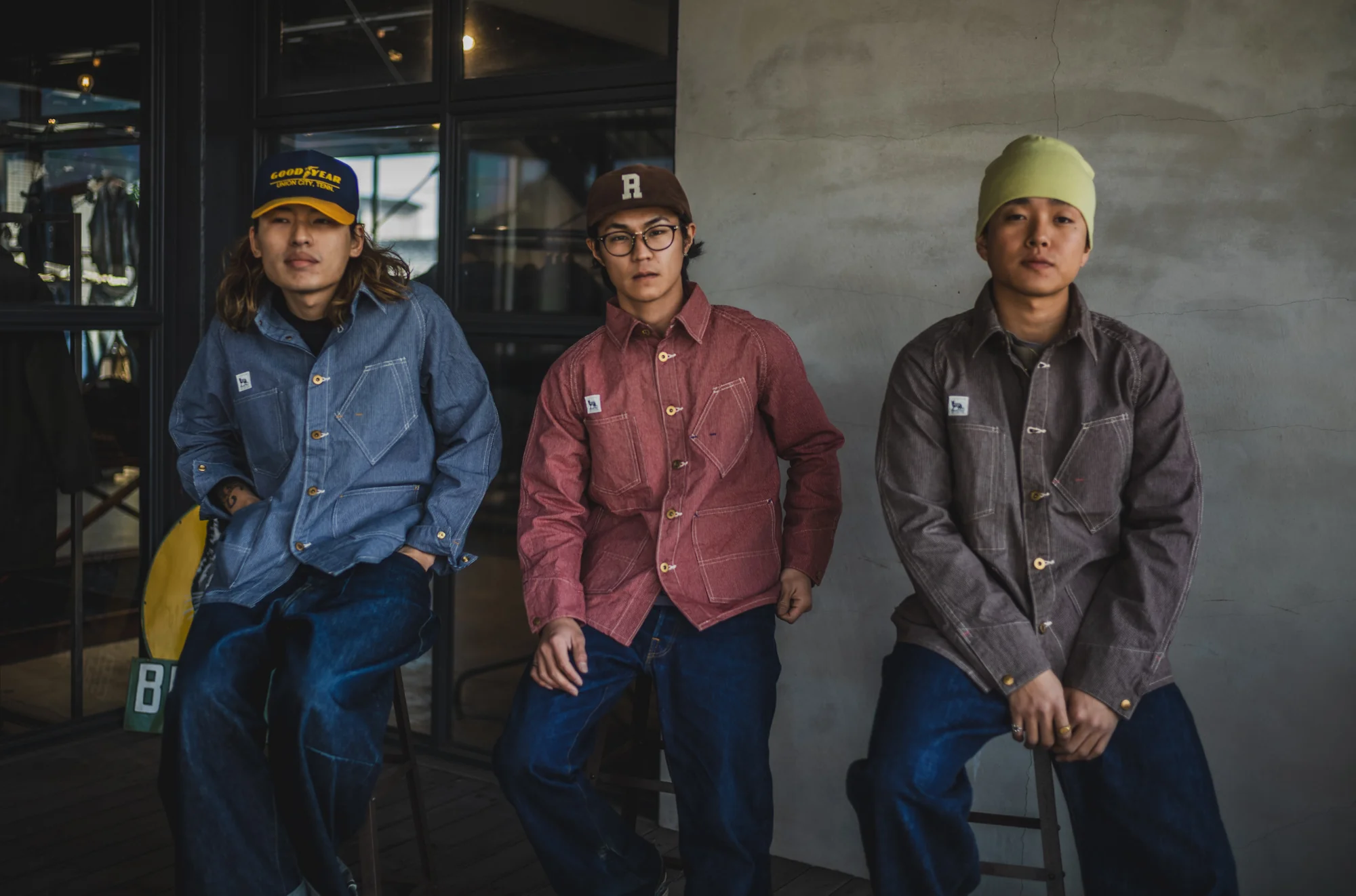
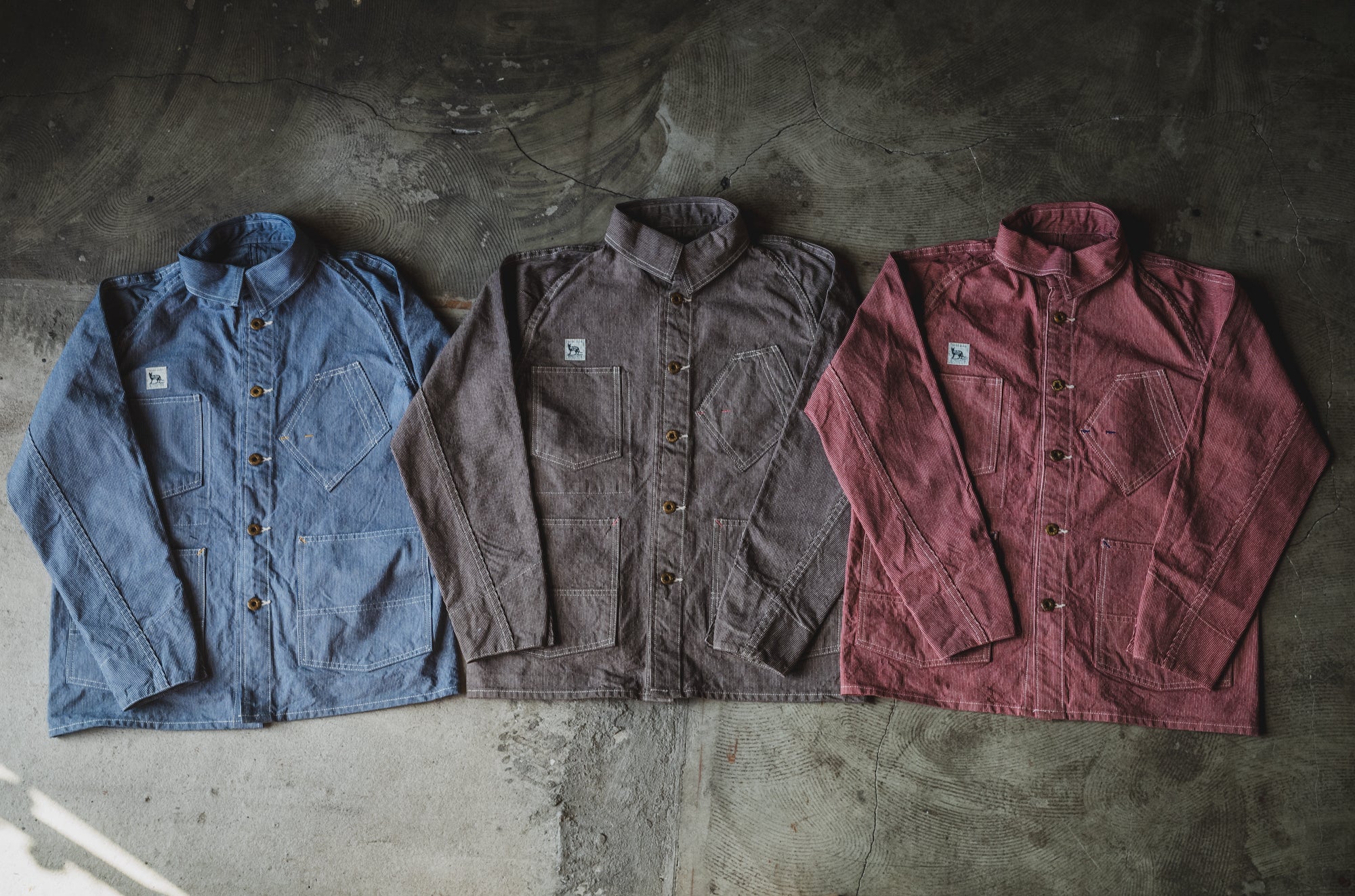
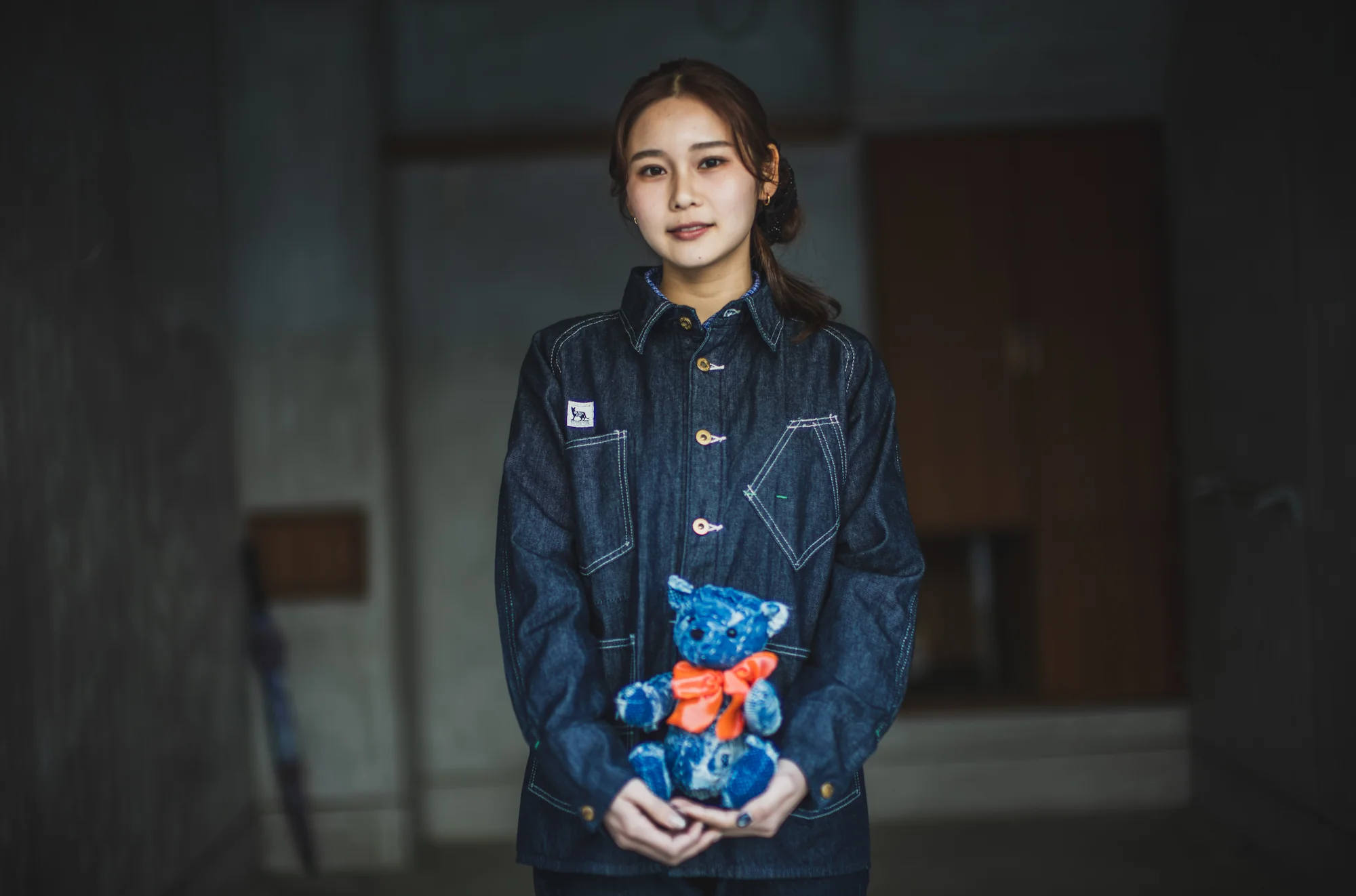
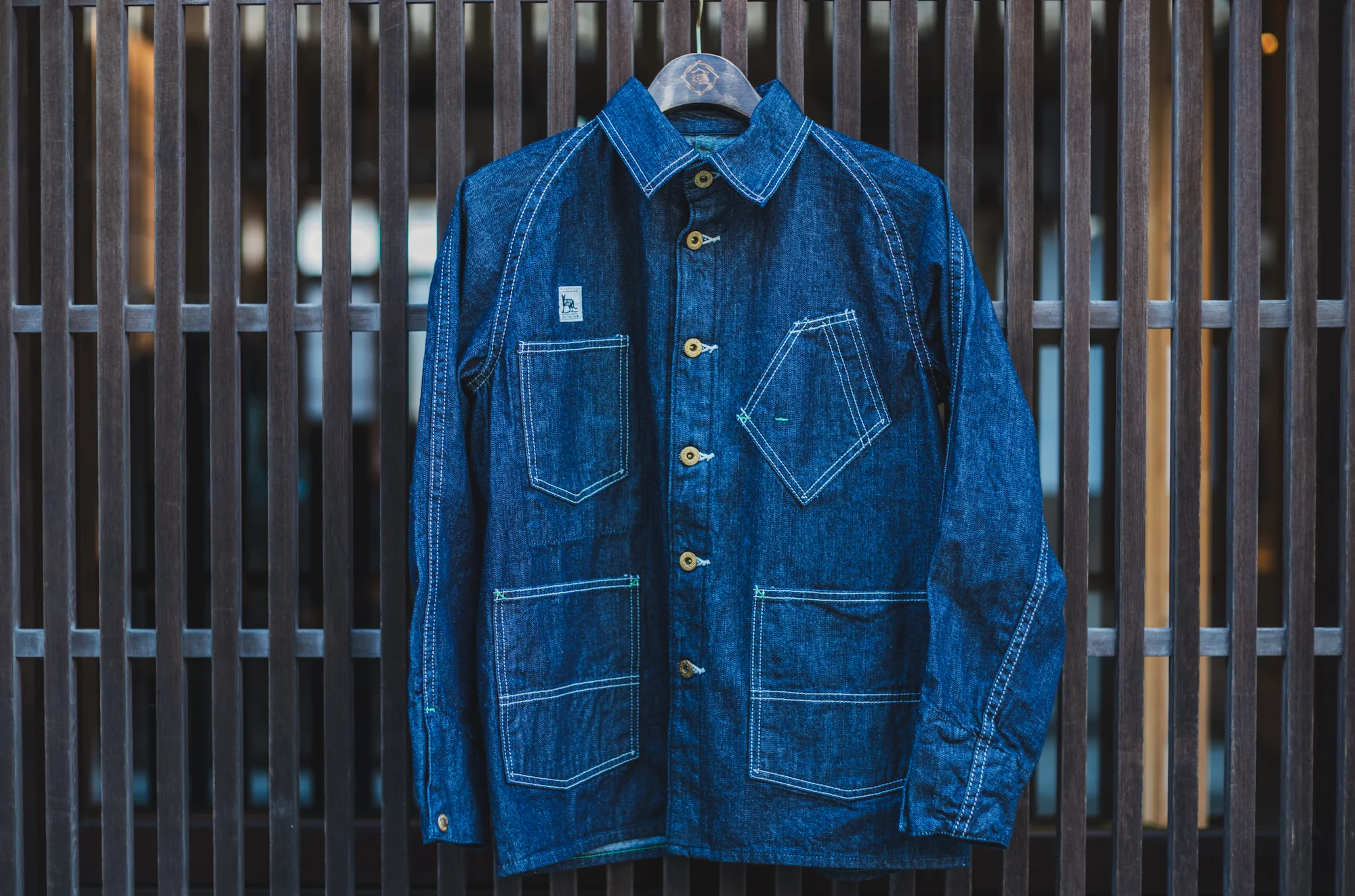
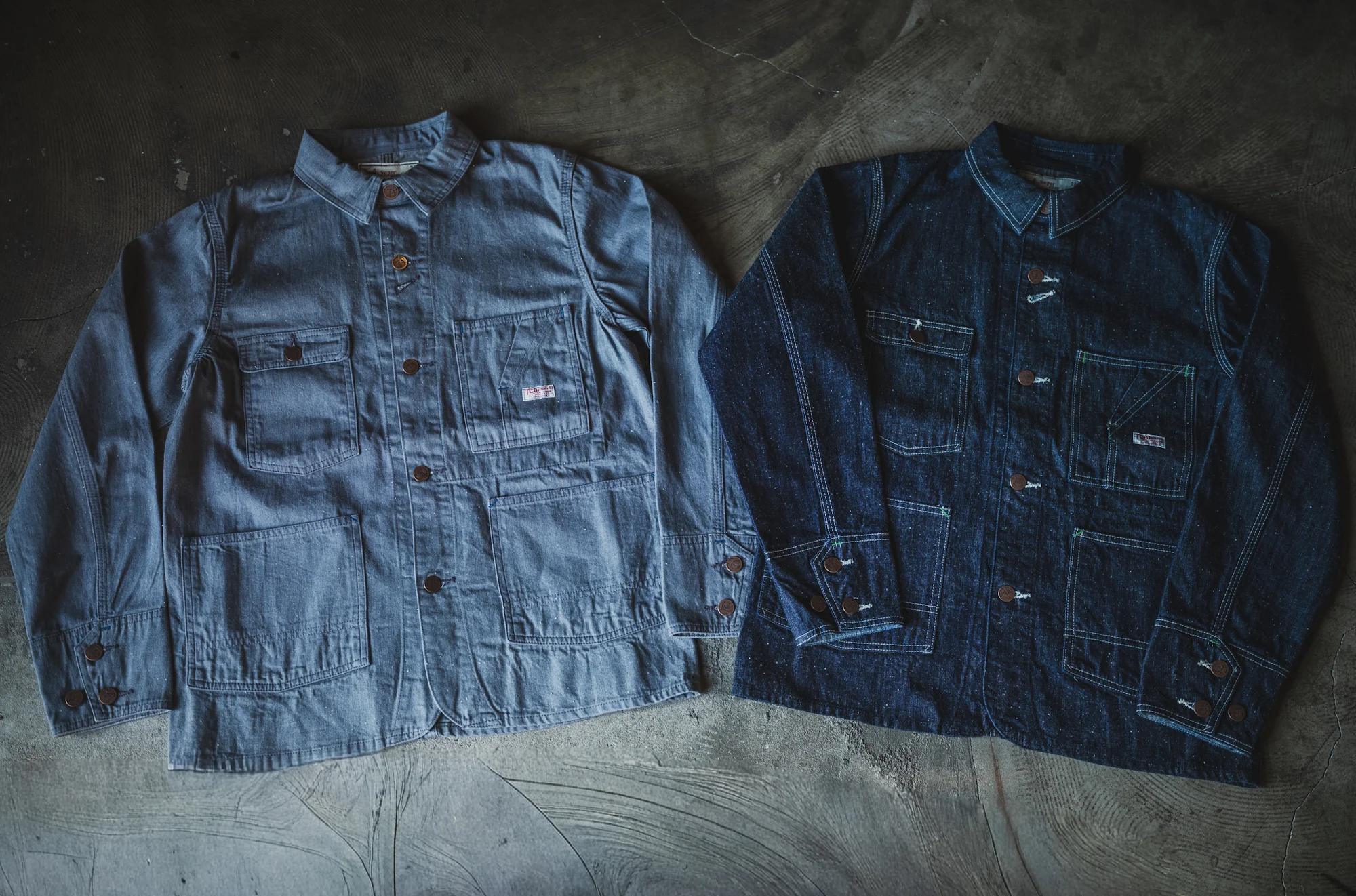
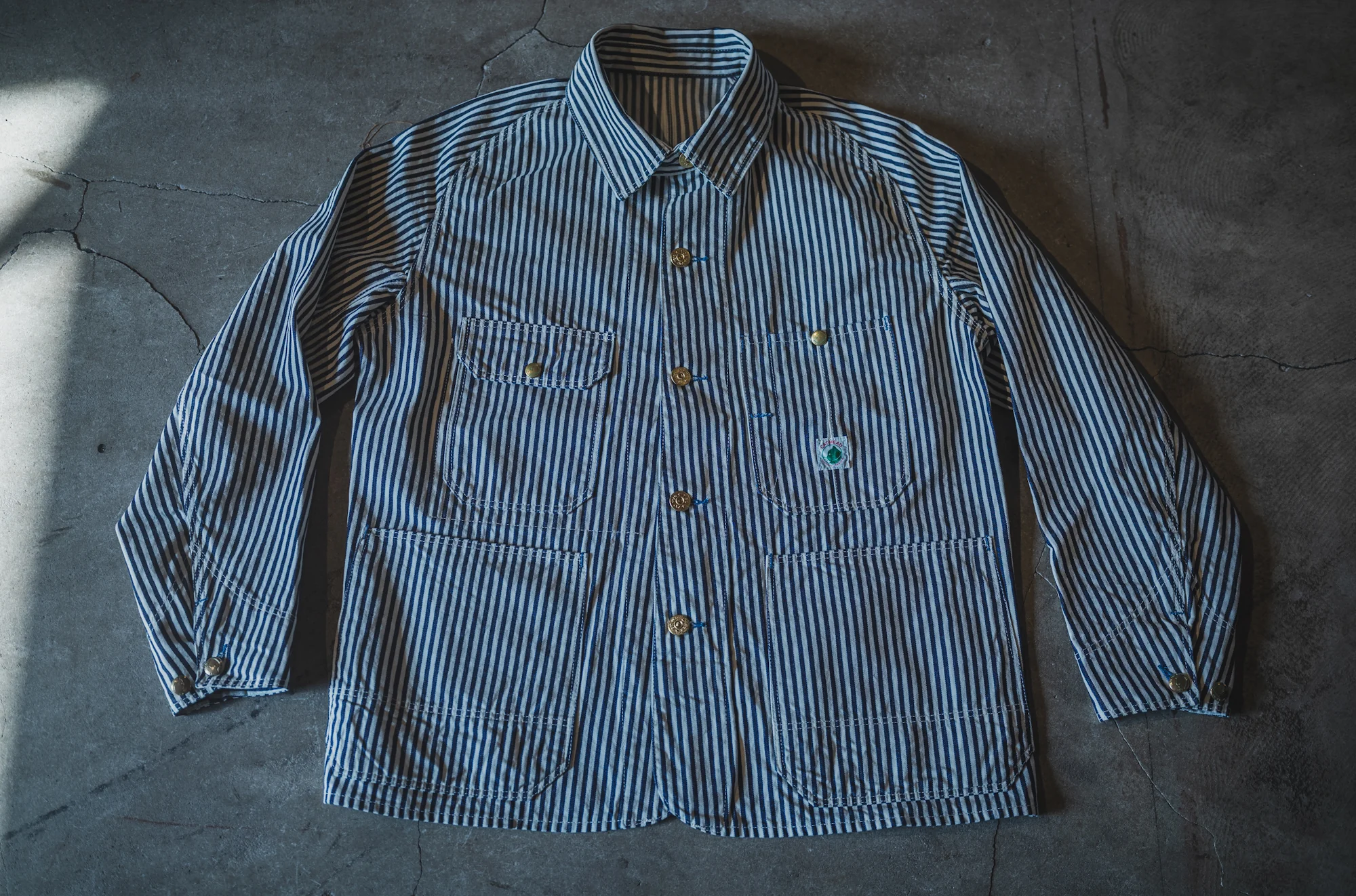
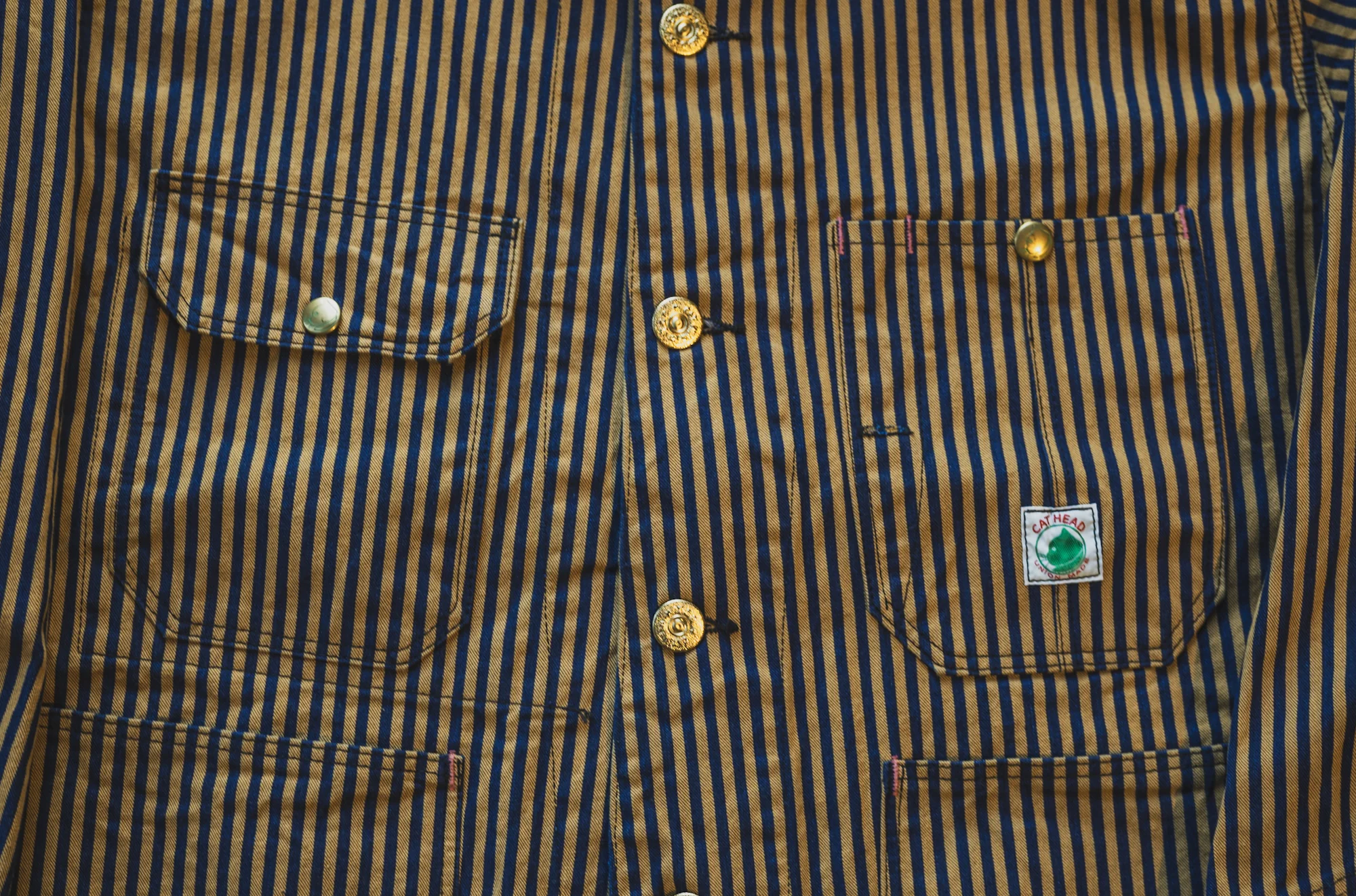
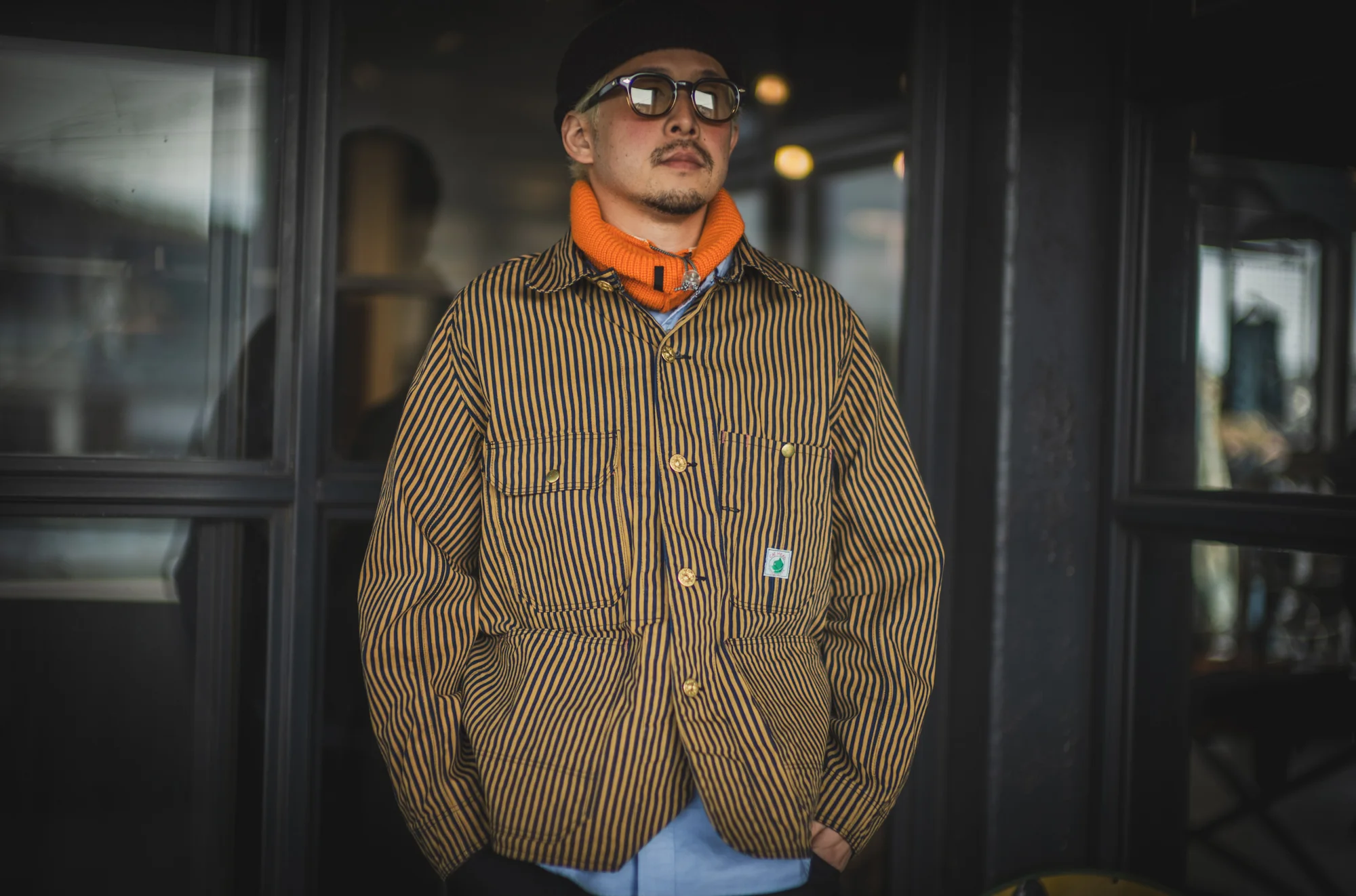
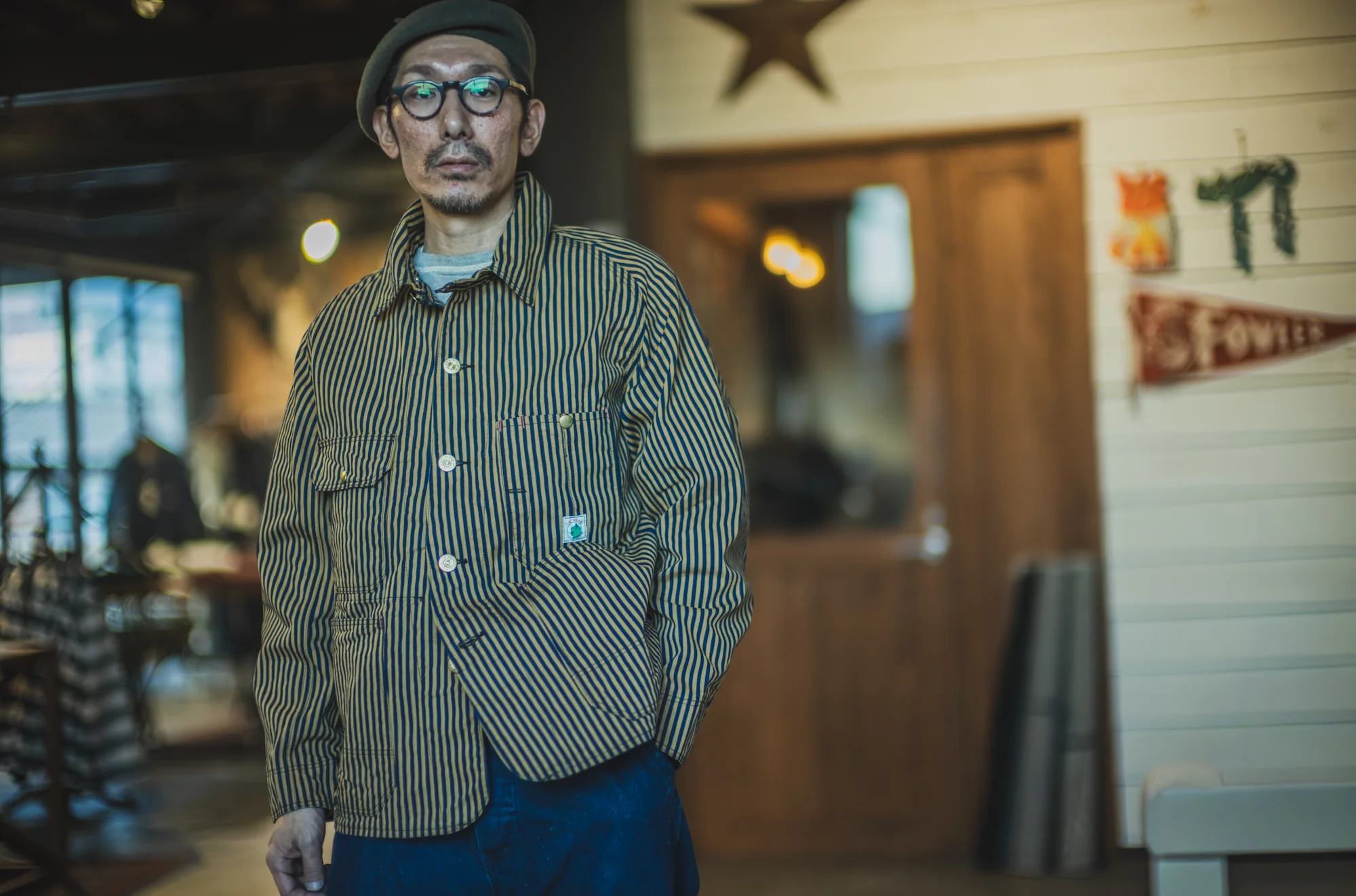
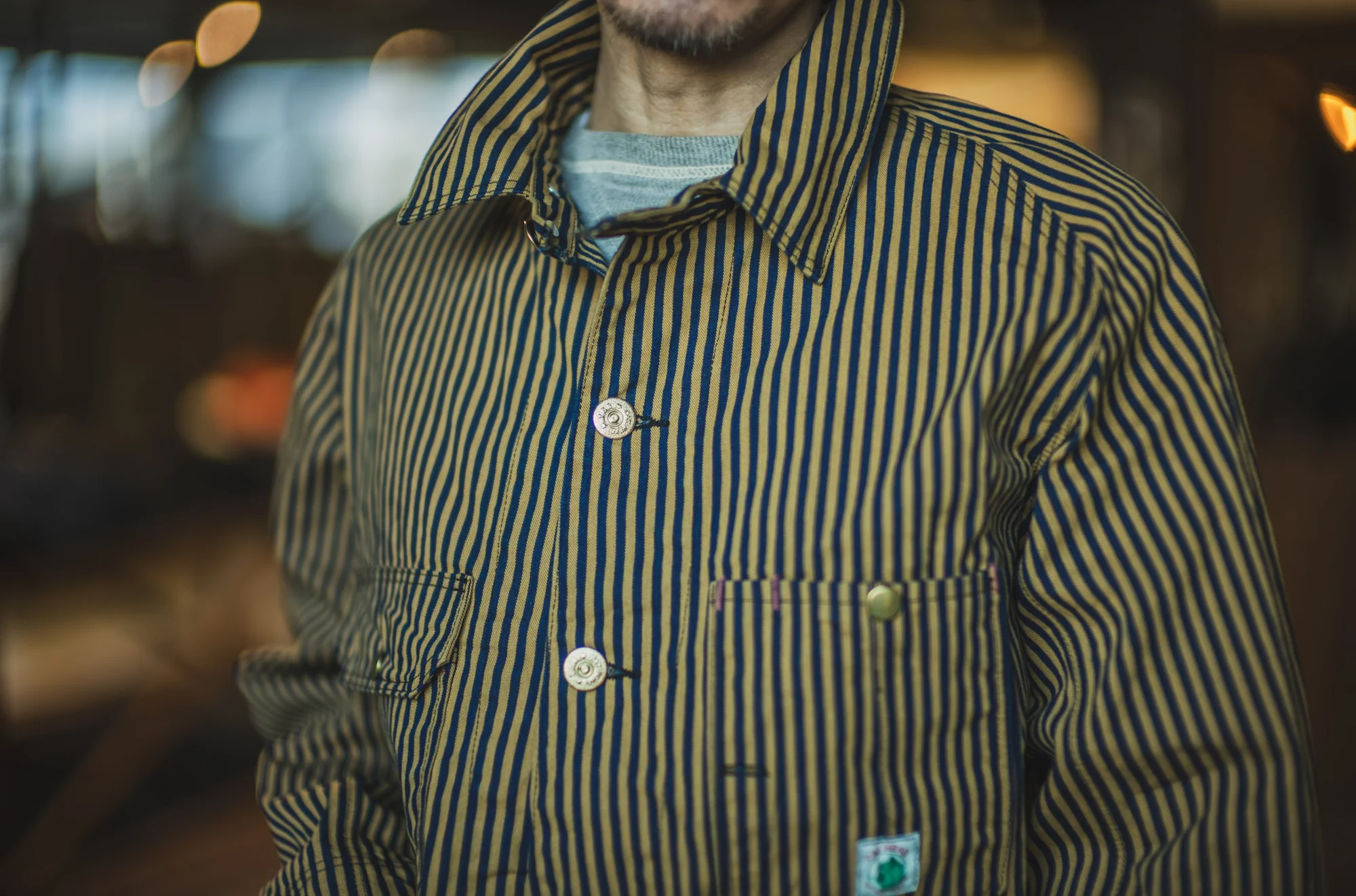
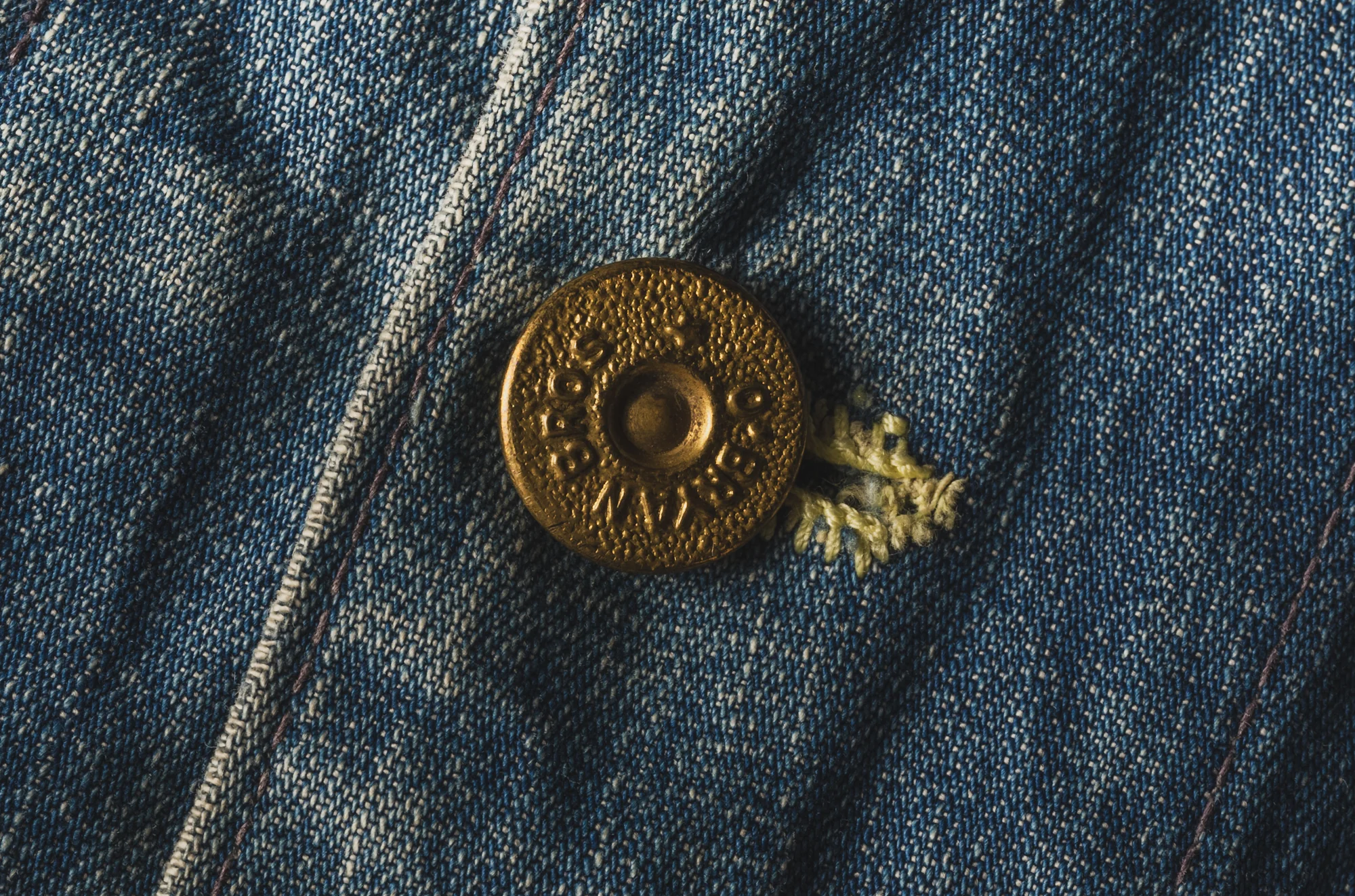
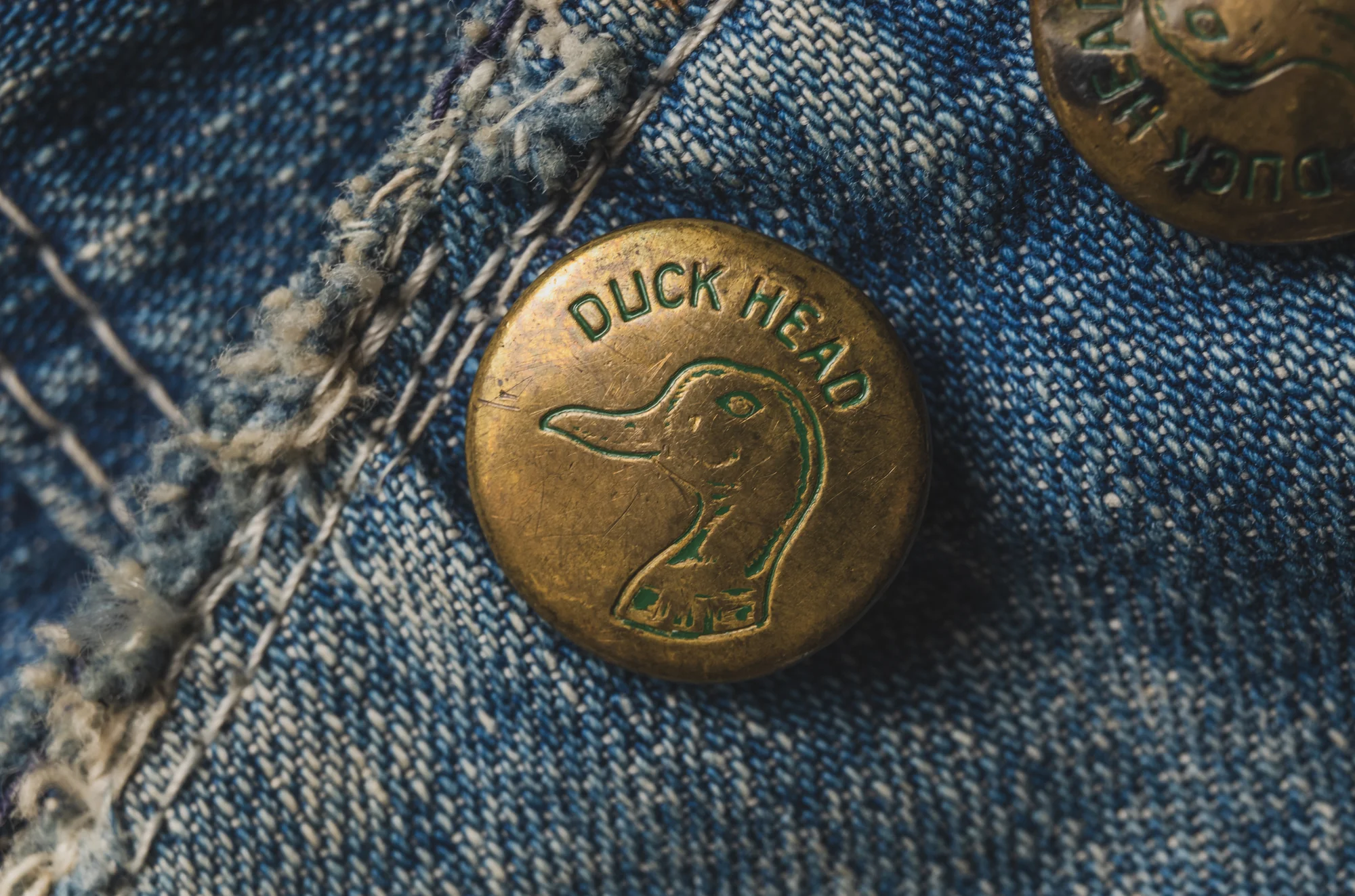
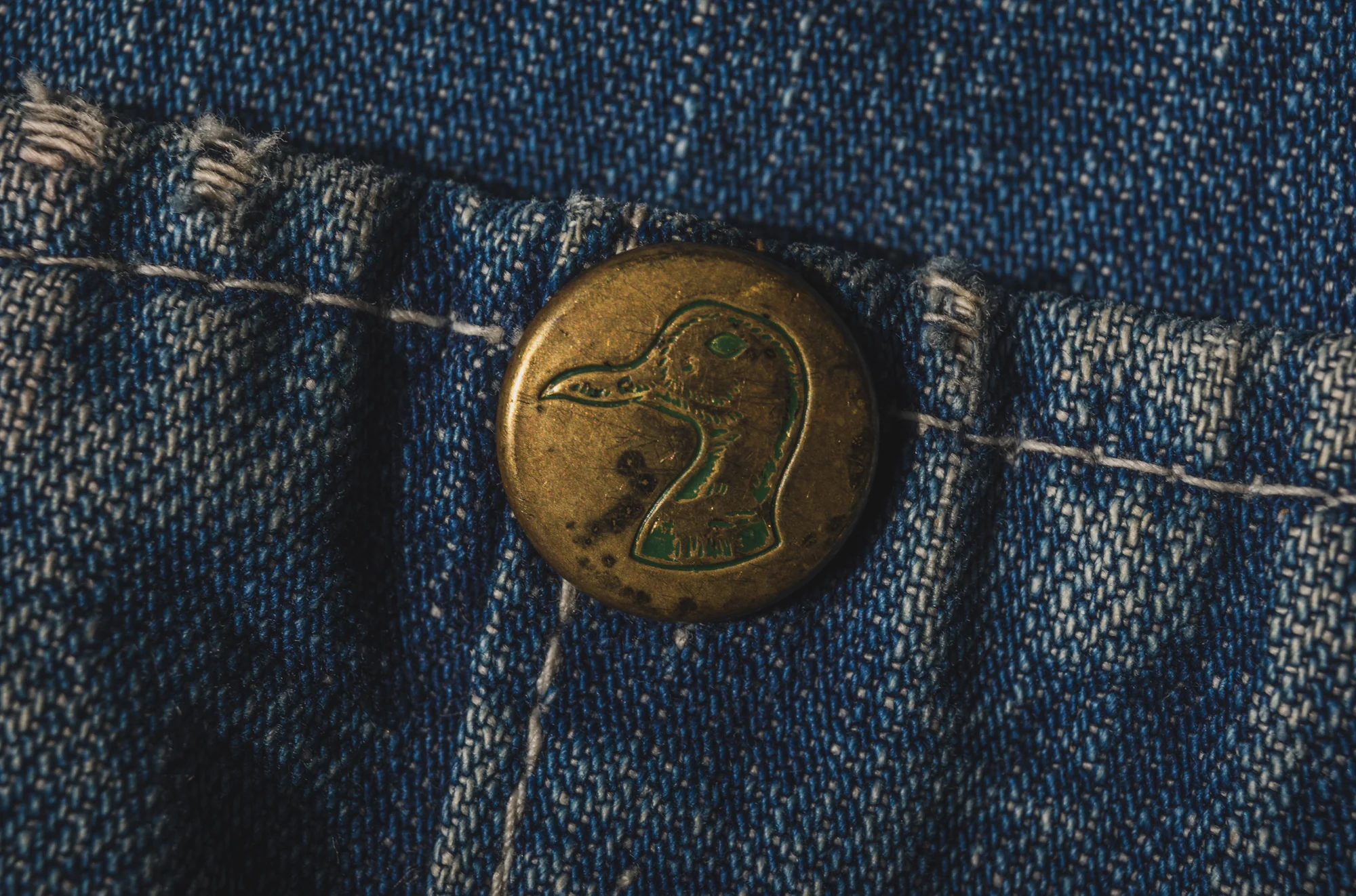
It was very difficult to recreate the slightly silly duck face into a cat, but I think we have done a good job on this. On this one jacket, 3 different buttons are used and it strikes me that it's kinda luxurious for a mere chore jacket from100 years ago, haha.
Surprisingly, the rough texture is a distinctive feature and helps prevent slipping, so I think it's a design feature to improve ease of use.
The sleeves have adjustable double buttons.
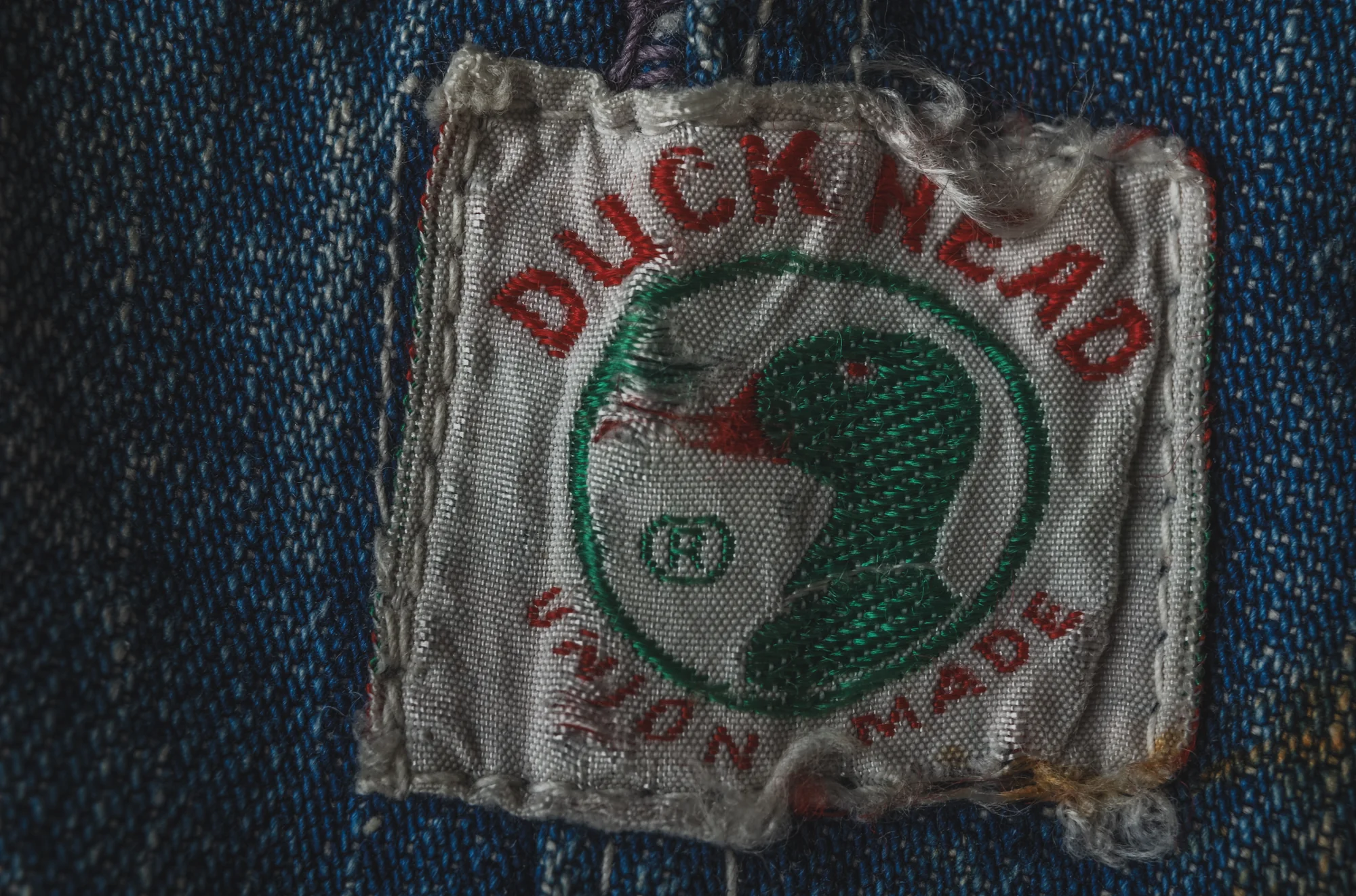
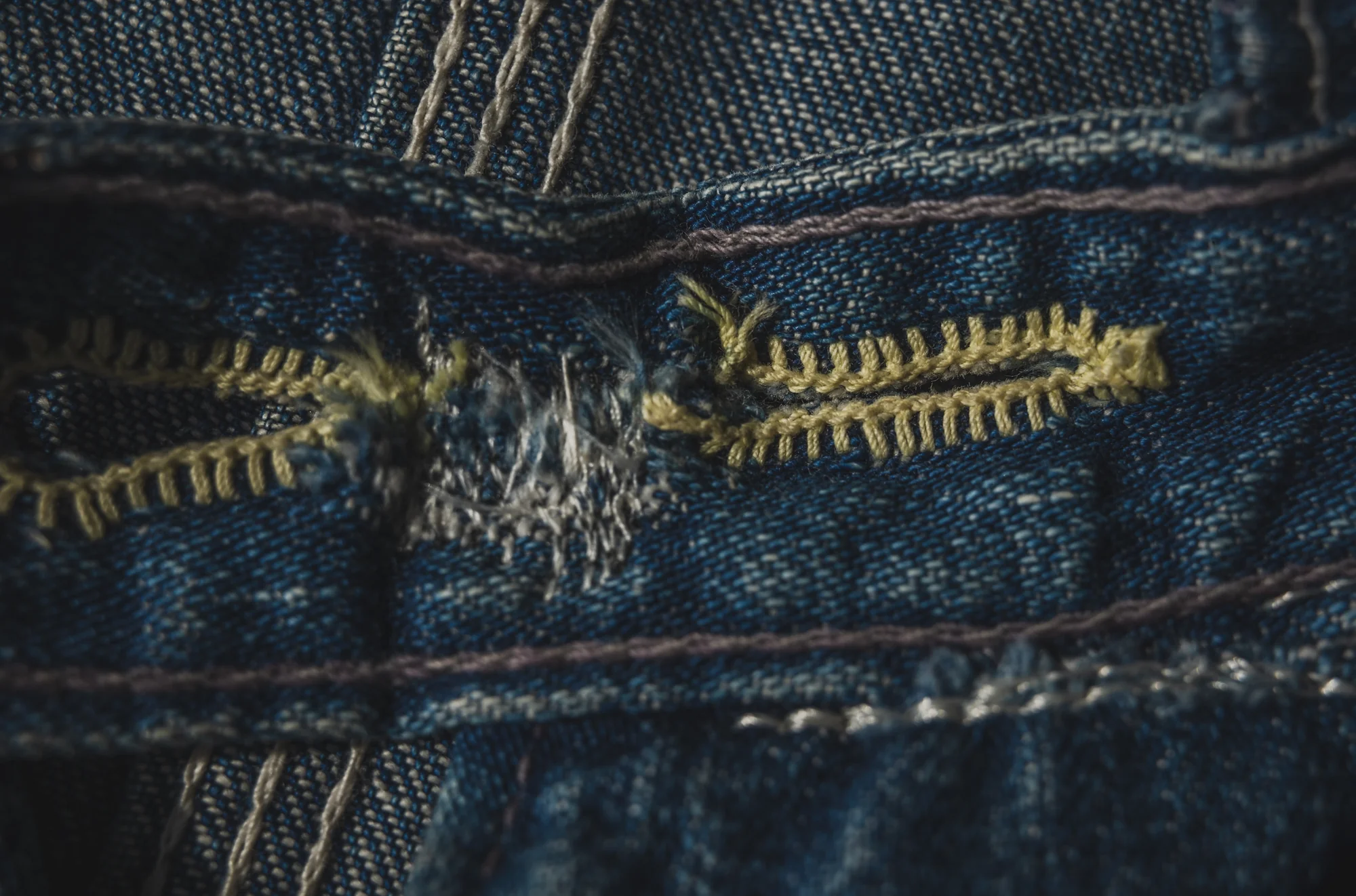
There are dot buttons on each side of the chest, so there are a total of three types of buttons on one garment, so the development costs alone were high, but I think we have created a very adorable tag and buttons. Another thing that I found attractive was the green bar tacks and buttonholes. There are many vintage jackets with colorful bar tacks, and at TCB we have had fun using colors that remind us of vintage style and colors that seem familiar but are not really in the clothes of today. However, the only jackets I can remember with colorful buttonholes are Duck Head and Oshkosh. Of course, the green looks vivid at first, but the green fades as you continue to wear it, which may be one of the joys of this jacket.
Tateno-san then said, "I made the attachment when I made the PAYDAY homage product two years ago, so I'll bring it to you," and kindly agreed to lend it to me.
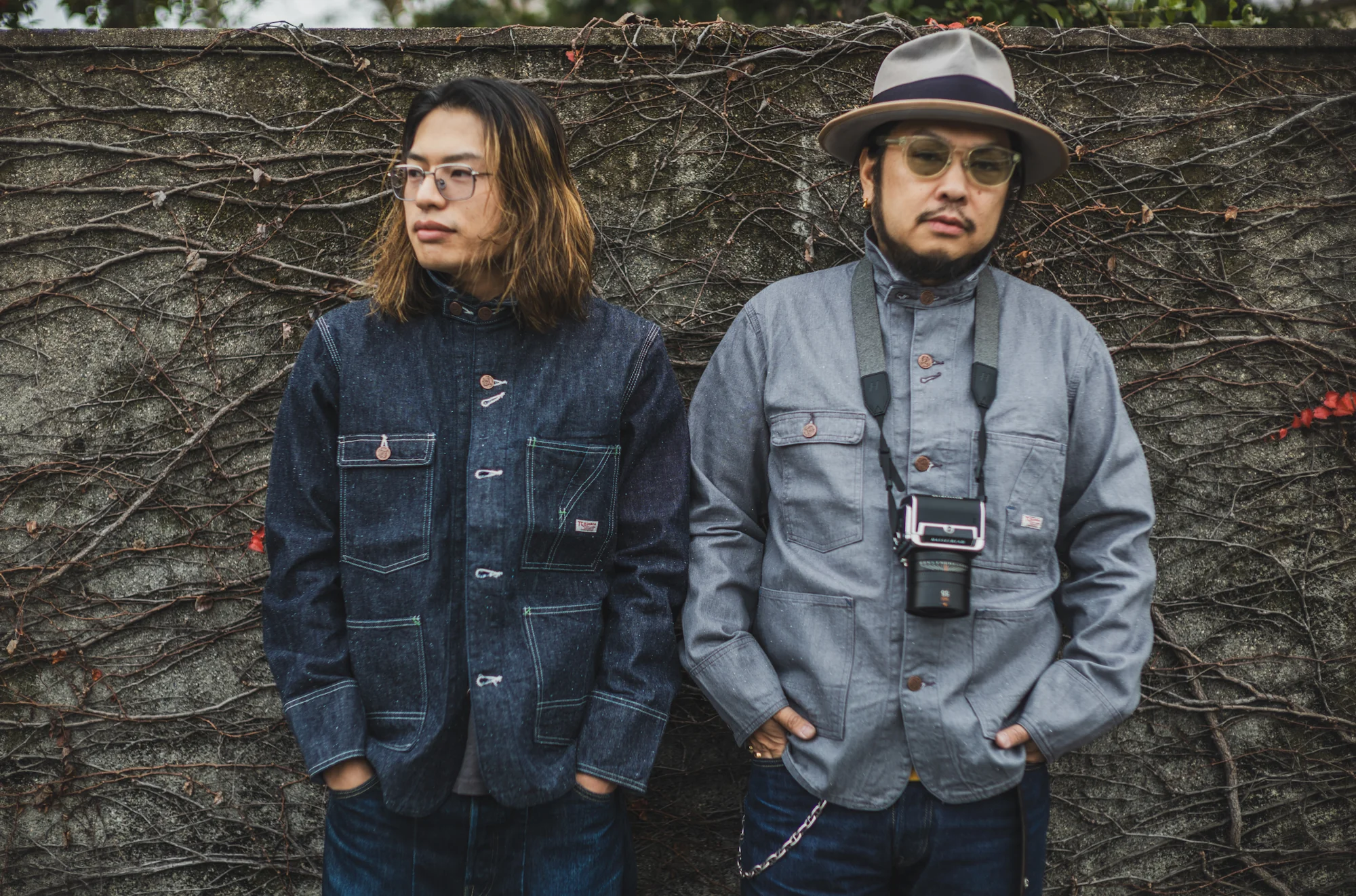
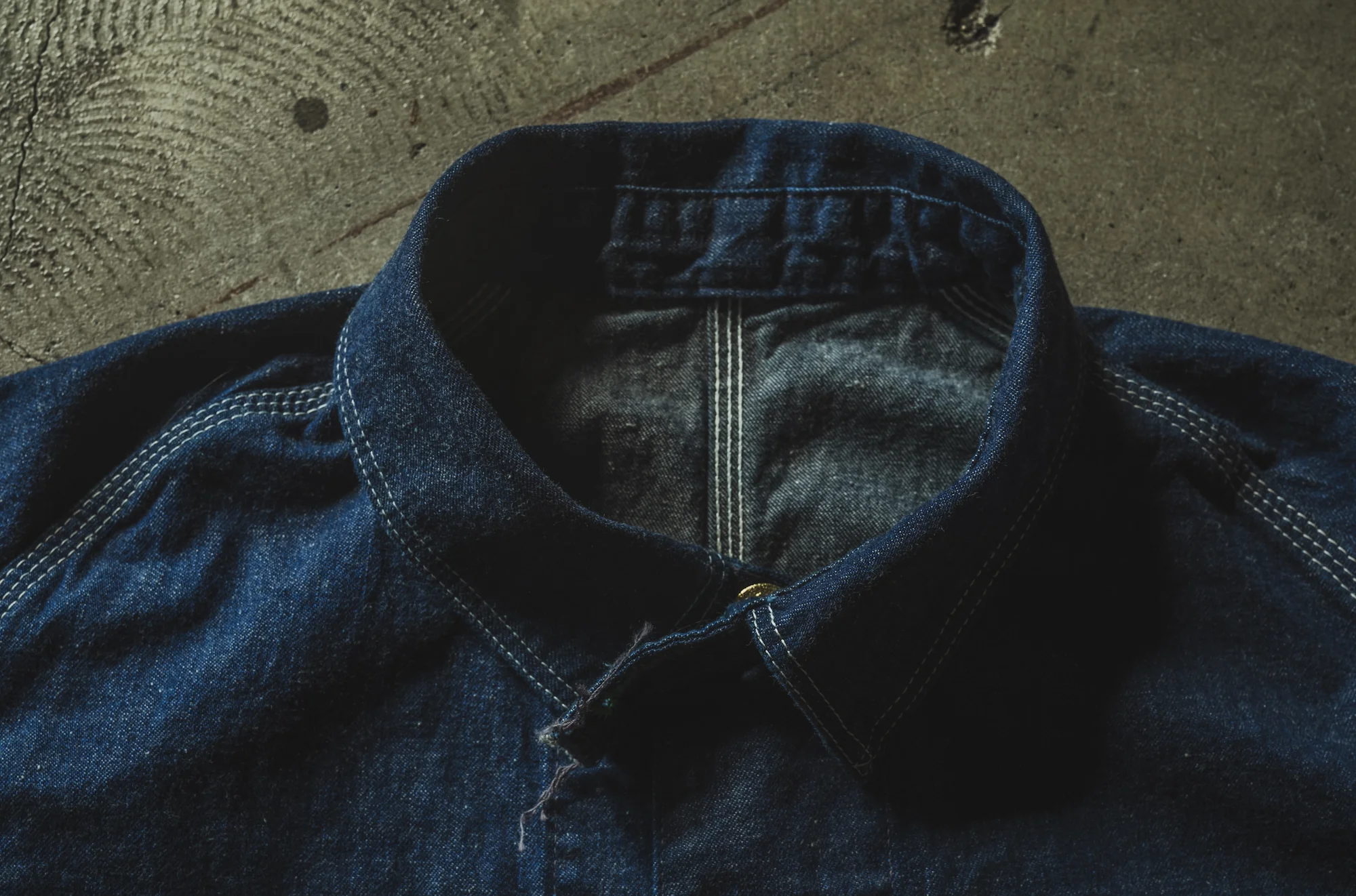
I immediately attached it to the UNION SPECIAL 51800G and tried sewing it, and I was able to create a stand collar with the same specifications as the vintage one.
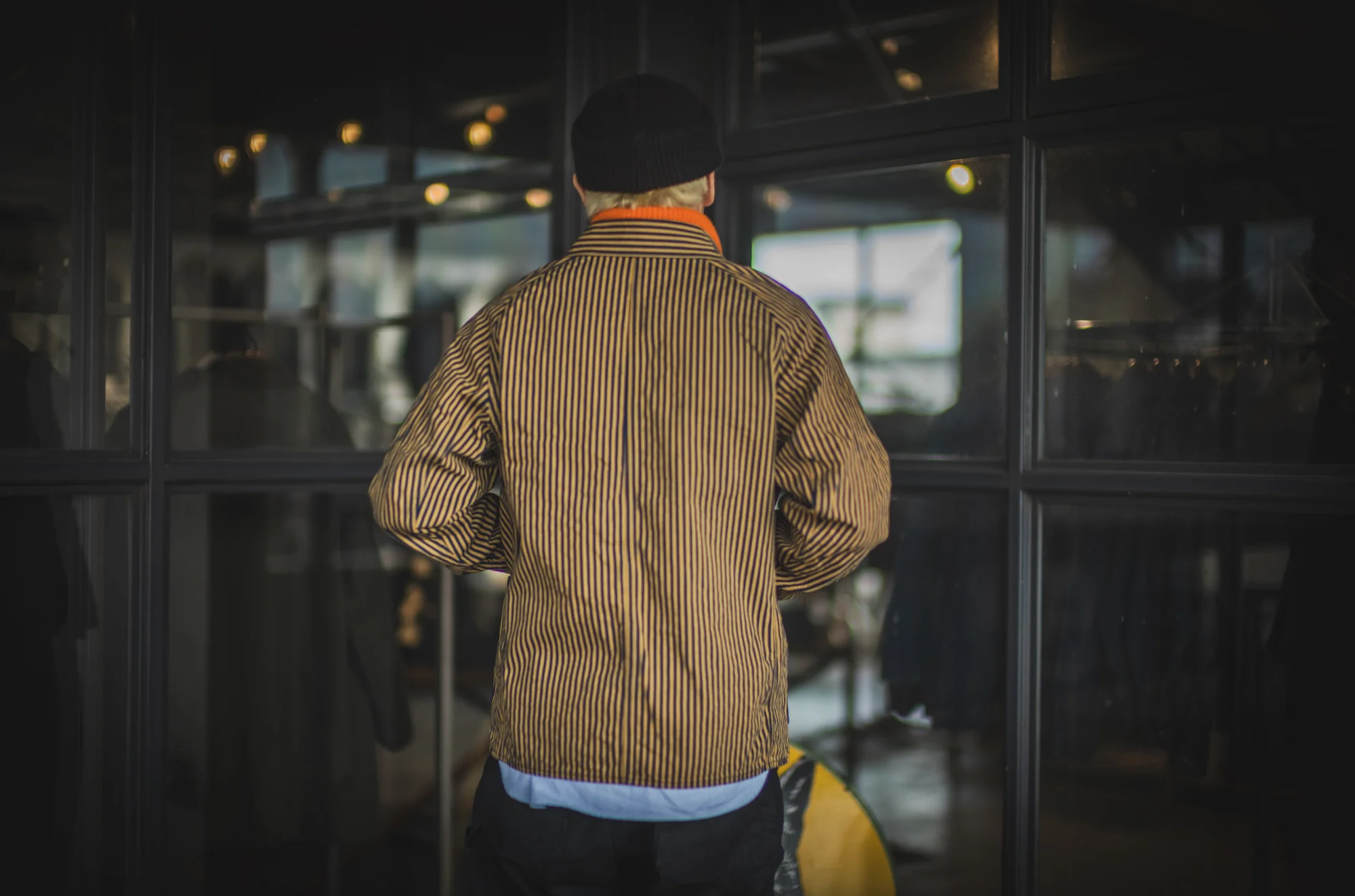
It is not rare that a detail that is often thought to be a "cool design!" is actually the result of an innovation to improve efficiency at the time. The chain stitch on the stand collar this time was probably like this. "Let's do it with the chain stitch machineso that we can skip the ironing. If we sew it from the backside, the chain stitch will appear on the outer side so you won't have itchy neck."
Details & Craftsmanship
Every detail has been carefully considered to bring you the perfect product.
Details & Craftsmanship
Every detail has been carefully considered to bring you the perfect product.
Details & Craftsmanship
Every detail has been carefully considered to bring you the perfect product.
Details & Craftsmanship
Every detail has been carefully considered to bring you the perfect product.
Details & Craftsmanship
Every detail has been carefully considered to bring you the perfect product.
Details & Craftsmanship
Every detail has been carefully considered to bring you the perfect product.
Details & Craftsmanship
Every detail has been carefully considered to bring you the perfect product.
Details & Craftsmanship
Every detail has been carefully considered to bring you the perfect product.
Details & Craftsmanship
Every detail has been carefully considered to bring you the perfect product.
Details & Craftsmanship
Every detail has been carefully considered to bring you the perfect product.
Details & Craftsmanship
Every detail has been carefully considered to bring you the perfect product.
Details & Craftsmanship
Every detail has been carefully considered to bring you the perfect product.
Details & Craftsmanship
Every detail has been carefully considered to bring you the perfect product.
Description
Among the vintage workwear brands, I love the animal-motif ones.
The bulldog from Boss of the Road, the rooster from Can't Bust'em, the bear from Black Bear, the pig from Finks, etc. are all fascinating.
Among them, the one TCB chose to reproduce was the 1930's Duck Head.
It was very difficult to recreate the slightly silly duck face into a cat, but I think we have done a good job on this. On this one jacket, 3 different buttons are used and it strikes me that it's kinda luxurious for a mere chore jacket from100 years ago, haha.
Surprisingly, the rough texture is a distinctive feature and helps prevent slipping, so I think it's a design feature to improve ease of use.
The sleeves have adjustable double buttons.
There are dot buttons on each side of the chest, so there are a total of three types of buttons on one garment, so the development costs alone were high, but I think we have created a very adorable tag and buttons. Another thing that I found attractive was the green bar tacks and buttonholes. There are many vintage jackets with colorful bar tacks, and at TCB we have had fun using colors that remind us of vintage style and colors that seem familiar but are not really in the clothes of today. However, the only jackets I can remember with colorful buttonholes are Duck Head and Oshkosh. Of course, the green looks vivid at first, but the green fades as you continue to wear it, which may be one of the joys of this jacket.
Tateno-san then said, "I made the attachment when I made the PAYDAY homage product two years ago, so I'll bring it to you," and kindly agreed to lend it to me.
I immediately attached it to the UNION SPECIAL 51800G and tried sewing it, and I was able to create a stand collar with the same specifications as the vintage one.
It is not rare that a detail that is often thought to be a "cool design!" is actually the result of an innovation to improve efficiency at the time. The chain stitch on the stand collar this time was probably like this. "Let's do it with the chain stitch machineso that we can skip the ironing. If we sew it from the backside, the chain stitch will appear on the outer side so you won't have itchy neck."